Ingredients
Retinol: The Complete Beginner's Guide to Starting Retinol Safely
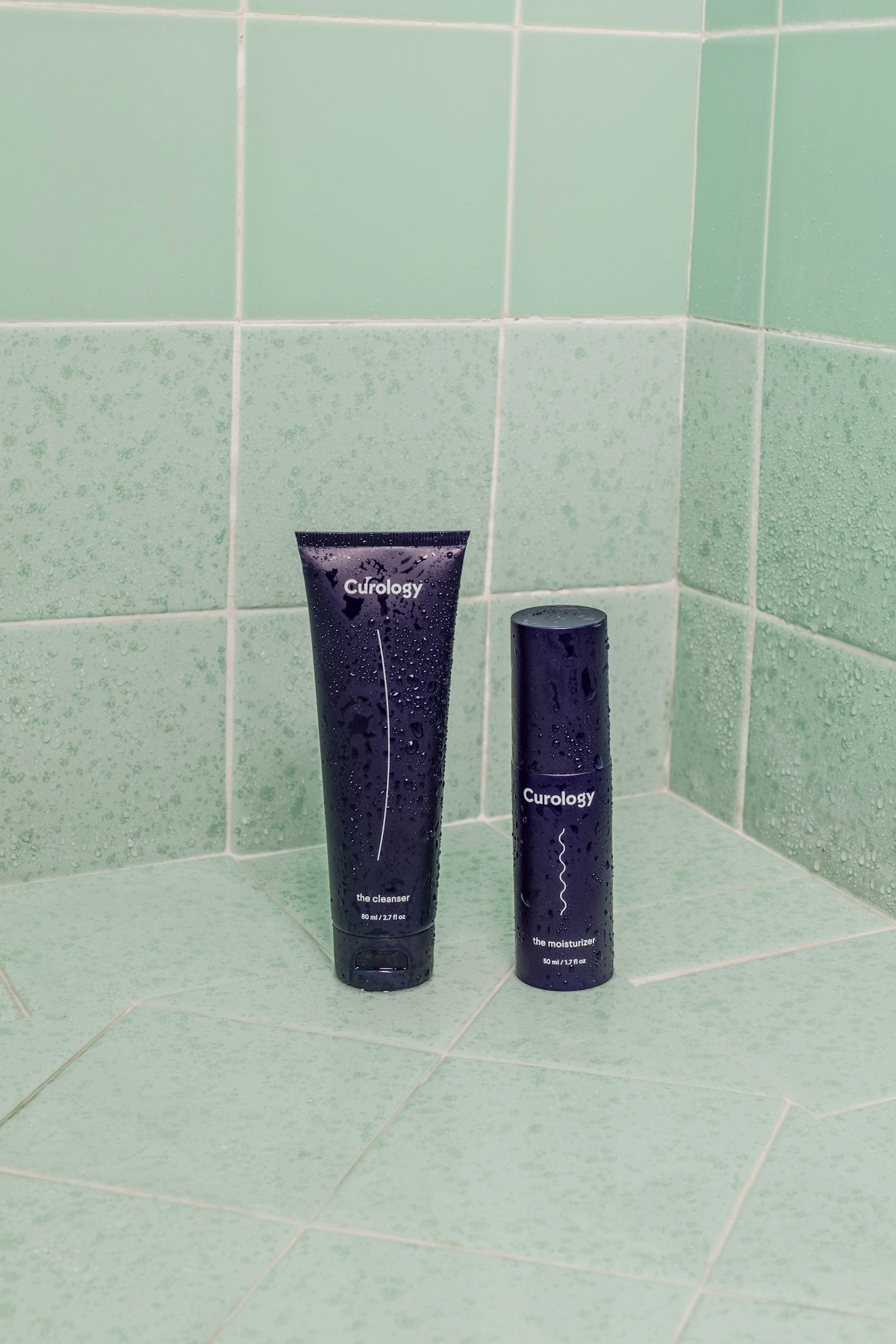
Retinol has a reputation. It is, depending on who you ask, either the most powerful anti-ageing ingredient available without a prescription, or a fast track to red, peeling, irritated skin. The truth — as with most things in skincare — is more nuanced.
Used correctly, retinol is transformative. Used incorrectly, it causes the irritation that gives it a bad reputation. The difference is almost entirely in how you introduce it.
What retinol actually does
Retinol is a form of vitamin A that, when applied to skin, is converted to retinoic acid — the active form that produces results. It works by accelerating cell turnover, stimulating collagen production, and normalising the way skin cells behave.
The practical results of consistent retinol use include smoother skin texture, reduction in fine lines and wrinkles, improvement in skin tone and hyperpigmentation, and clearer pores. It is one of very few skincare ingredients with decades of clinical evidence behind it.
Why retinol irritates skin — and how to avoid it
Retinol irritation — redness, flaking, sensitivity — happens almost universally when people start too fast, use too high a concentration, or use a formula that does not account for barrier support.
The skin needs time to adjust to retinol. The enzymes that convert retinol to retinoic acid need to upregulate. The barrier needs to be maintained through the process. Rush any of these steps and you get the classic retinol purge.
The rules for starting retinol safely:
-
Start with two or three nights per week, not every night
-
Use a formula that includes barrier-supporting ingredients alongside the retinol
-
Always apply to skin that is fully dry after cleansing — damp skin increases absorption and therefore irritation risk
-
Never use retinol on the same night as exfoliating acids unless you are experienced with both
-
Always use SPF every morning when using retinol — it increases photosensitivity
How long before you see results?
Retinol results take time. Most people notice skin texture improvements within four to six weeks of consistent use. More significant changes — reduction in fine lines, improvement in deeper pigmentation — typically take three to six months.
This is not a failure of the ingredient. It is the nature of skin cell turnover, which operates on a cycle of approximately 28 days. You are working with your skin's biology, not against it.
RETINOVA by Emerald Derma
RETINOVA is Emerald Derma's barrier-boosting night recovery formula. It delivers retinol actives alongside ingredients specifically chosen to support the skin barrier during the adjustment period — making it a genuinely beginner-friendly option without compromising on efficacy.
The barrier-boosting approach means that the irritation cycle that puts so many people off retinol is significantly reduced, while the results that make retinol worth using are preserved.
How to use RETINOVA: Apply to clean, dry skin on 2-3 evenings per week to begin. Increase frequency gradually over 4-6 weeks as your skin adjusts. Always follow with moisturiser. Use SPF every morning.
Shop RETINOVA Barrier-Boosting Night Recovery — £42