Skincare Basics
The Skin Barrier: What It Is, Why It Matters, and How to Repair It
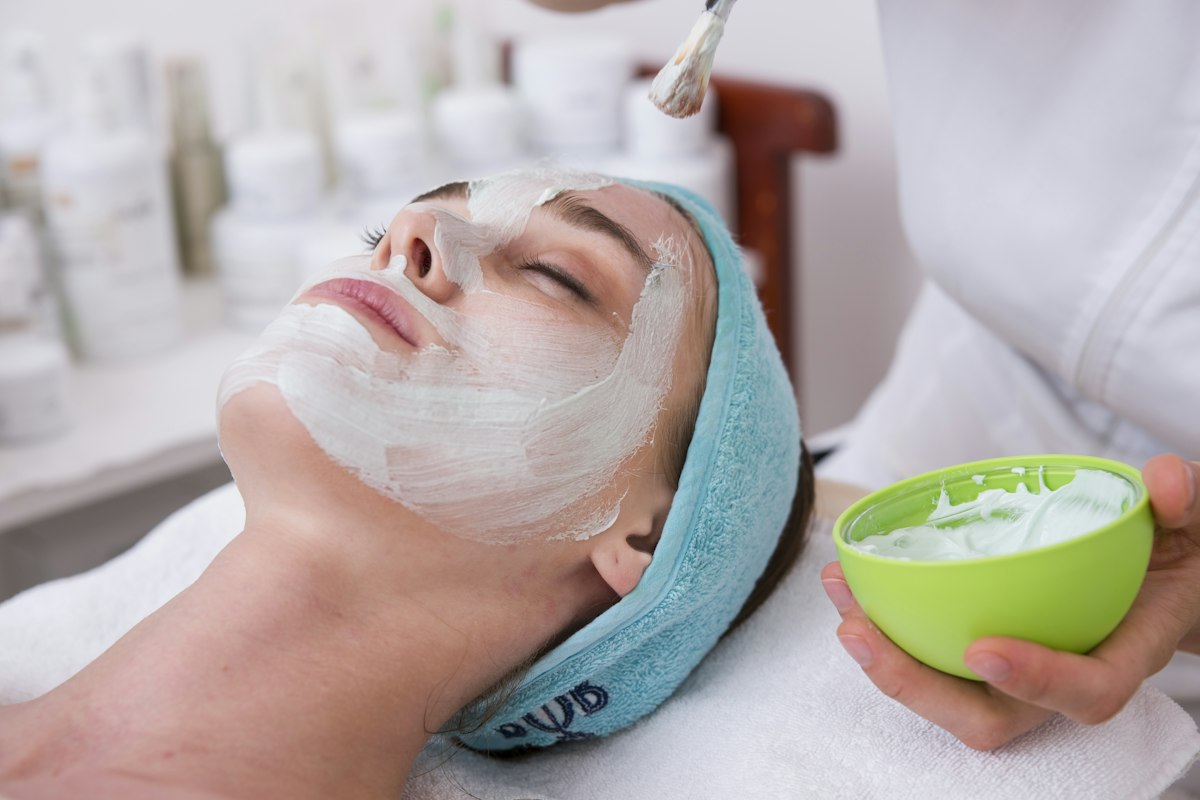
If you have ever experienced skin that feels tight, dry, sensitive, or reactive — breaking out one week and flaking the next — there is a good chance your skin barrier is compromised. Understanding what the skin barrier is and how to support it is one of the most useful things you can know about skincare.
What is the skin barrier?
The skin barrier — technically the stratum corneum — is the outermost layer of the skin. Think of it as a brick wall: skin cells (the bricks) held together by lipids — ceramides, fatty acids, and cholesterol (the mortar).
A healthy skin barrier keeps water in and irritants, bacteria, and environmental aggressors out. When it is functioning well, skin looks plump, feels comfortable, and responds well to skincare.
When it is compromised, the wall develops gaps. Water escapes (causing dehydration and tightness), and irritants enter (causing sensitivity, redness, and reactivity).
How does the skin barrier get damaged?
Common causes of barrier damage include:
-
Over-exfoliation — too many acids, too often, strips the lipids that hold the barrier together
-
Harsh cleansers — foaming or stripping cleansers disrupt the skin's natural pH and remove protective oils
-
Environmental stress — cold weather, central heating, air conditioning, and pollution all compromise the barrier
-
Starting actives too fast — retinol, vitamin C, and acids all require a healthy barrier to work effectively; using them without barrier support causes the damage they are meant to prevent
How to repair a compromised barrier
Step 1: Simplify your routine. Remove actives temporarily and focus purely on gentle cleansing, hydration, and barrier support. Complexity is the enemy of a damaged barrier.
Step 2: Use a gentle cleanser. PREPARE Gentle Hydrating Cream Cleanser cleanses without stripping — ideal for a barrier in recovery.
Step 3: Focus on hydration. QUENCH replenishes moisture at multiple skin depths. H₂∞ Daily Barrier Support Moisturiser is specifically formulated to strengthen and support barrier function.
Step 4: Reintroduce actives slowly. Once the barrier feels stable and comfortable, reintroduce one active at a time — starting with the gentlest and building gradually.
Step 5: Always protect. PROTECT SPF 50 every morning prevents further UV-driven barrier damage.
Shop Emerald Derma