Education
What Is Medical-Grade Skincare? And Is It Really Worth It?
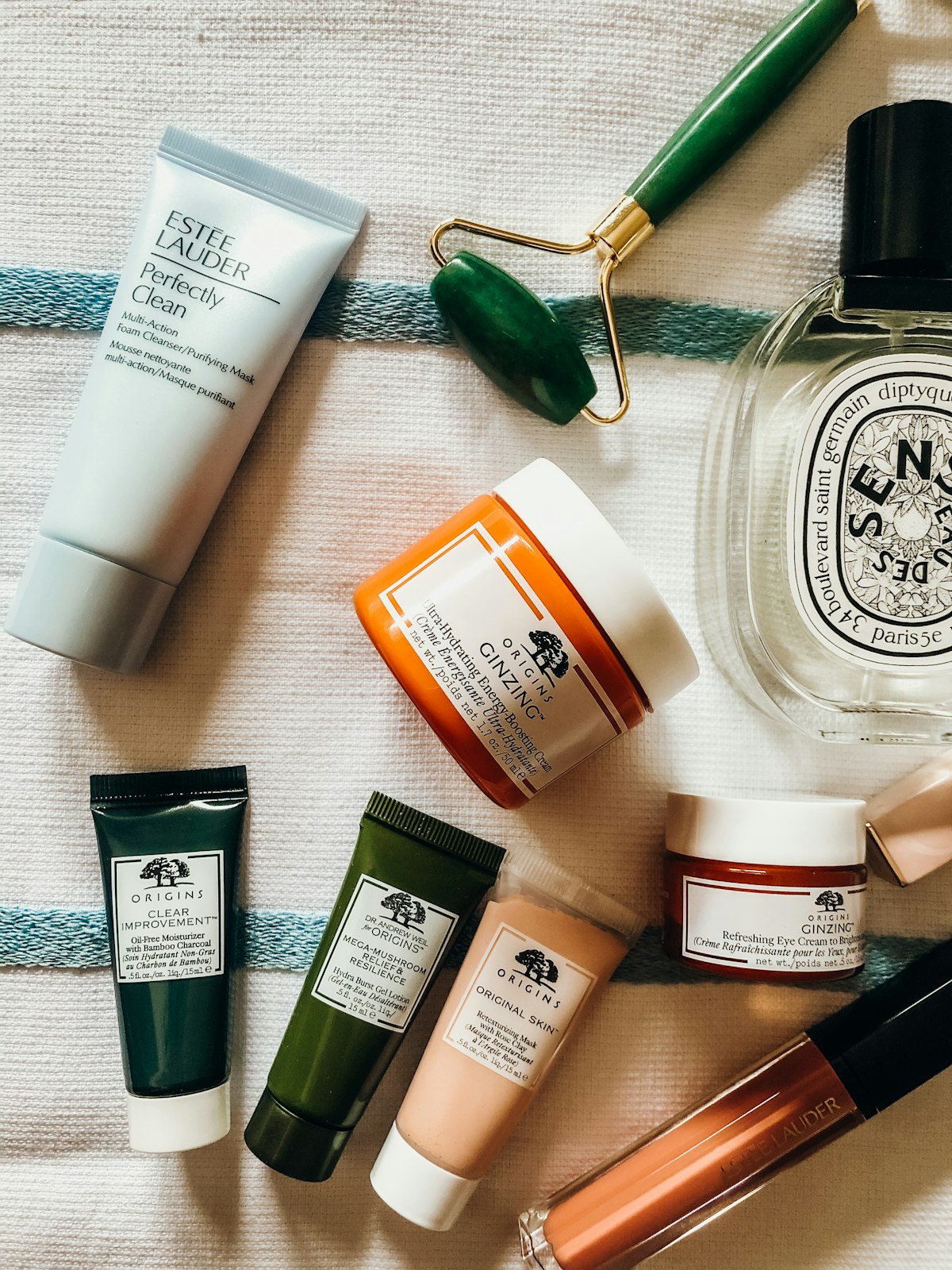
Walk into any pharmacy or beauty retailer and you will find shelves of skincare products making impressive claims. Firming. Brightening. Anti-ageing. Hydrating. The language of results is everywhere. But if you have ever wondered why some products seem to do very little while others deliver a noticeable difference, the answer often comes down to one thing: the grade of the formulation.
Medical-grade skincare is a term you will hear increasingly often — and with good reason. But what does it actually mean? And is it worth choosing over the high-street alternatives?
What Makes Skincare "Medical-Grade"?
The term medical-grade refers to skincare formulated to a clinical standard — using higher concentrations of active ingredients, more sophisticated delivery systems, and a level of scientific rigour that mass-market products rarely match.
There are three key differences between medical-grade and standard skincare:
1. Active Ingredient Concentration
High-street skincare often contains active ingredients — vitamin C, retinol, hyaluronic acid — but typically at concentrations low enough to minimise the risk of irritation and maximise shelf appeal. Medical-grade formulations use clinically effective concentrations.
The difference between a 5% vitamin C serum and a 20% vitamin C serum is not just cosmetic — it is the difference between a product that looks good on a shelf and one that produces measurable results on skin.
2. Ingredient Delivery
Getting active ingredients into the skin — past the barrier and into the layers where they can actually do their work — is a significant formulation challenge. Medical-grade products use advanced delivery technologies to ensure actives reach the target.
This is why molecular weight matters in hyaluronic acid formulations (smaller molecules penetrate deeper), and why the form of retinol used in a product affects both its efficacy and tolerability.
3. Formulation Integrity
Medical-grade formulations are developed and tested to ensure stability, efficacy, and safety. The pH of a product, the preservative system, the interaction between ingredients — all of these affect whether a product actually does what it claims. Mass-market products are often formulated to a price point rather than a performance standard.
Do You Need a Prescription for Medical-Grade Skincare?
No. Medical-grade skincare does not mean prescription-only. It means formulated to a clinical standard — the same standard used by dermatologists and aesthetic clinics in their professional product recommendations.
Historically, access to this standard of skincare required a clinic visit and a significant price premium. That is changing. Brands like Emerald Derma are making medical-grade formulations accessible without the clinic markup — the same quality, fairly priced.
What Skin Concerns Does Medical-Grade Skincare Address?
Medical-grade formulations are particularly effective for:
-
Skin ageing — fine lines, loss of firmness, and uneven skin tone respond well to clinically concentrated retinol, vitamin C, and peptide formulations
-
Hyperpigmentation — high-strength vitamin C and hydroxy acid formulations target uneven tone and dark spots more effectively than low-concentration alternatives
-
Oily and congested skin — poly hydroxy acid and salicylic acid formulations at clinical concentrations genuinely decongest pores rather than simply cleansing the surface
-
Dehydration and barrier damage — advanced hyaluronic acid delivery systems and barrier-support ingredients provide genuine, lasting hydration rather than a temporary surface effect
-
Sun damage — broad spectrum SPF 50 at a medical-grade standard provides meaningful daily protection against UVA and UVB
How to Build a Medical-Grade Skincare Routine
A well-constructed skincare routine does not need to be complicated. The fundamentals — cleanse, treat, moisturise, protect — apply regardless of budget or skin type. What medical-grade skincare does is ensure that each step is actually working.
A simple medical-grade routine using Emerald Derma products might look like this:
Morning
-
Cleanse — PREPARE Gentle Hydrating Cream Cleanser or REVEAL Gentle Daily Hydroxy Acid Cleanser
-
Treat — C20 High Strength Vitamin C Serum or QUENCH 4D Hydrating Serum
-
Moisturise — H₂∞ Daily Barrier Support Moisturiser
-
Protect — PROTECT Daily Broad Spectrum SPF 50
Evening
-
Cleanse — CLEAR PHA Degreasing Cleanser or PREPARE
-
Treat — RETINOVA Barrier-Boosting Night Recovery or FREEZE Tx Boost® Serum
-
Moisturise — H₂∞
Is Medical-Grade Skincare Worth the Price?
The honest answer is: it depends entirely on what you are comparing it to.
Medical-grade skincare costs more than basic high-street products. But it costs significantly less than the equivalent products sold through aesthetic clinics and dermatology practices — where the same formulation standards come with a considerable professional markup.
The question is not whether medical-grade skincare is expensive. It is whether it delivers results that lower-grade products cannot. For most people who have made the switch, the answer is clear.
At Emerald Derma, we believe that access to medical-grade skincare should not require a clinic appointment or a clinic budget. Our range is formulated to clinical standards and priced fairly — because great skin should not be a luxury.